
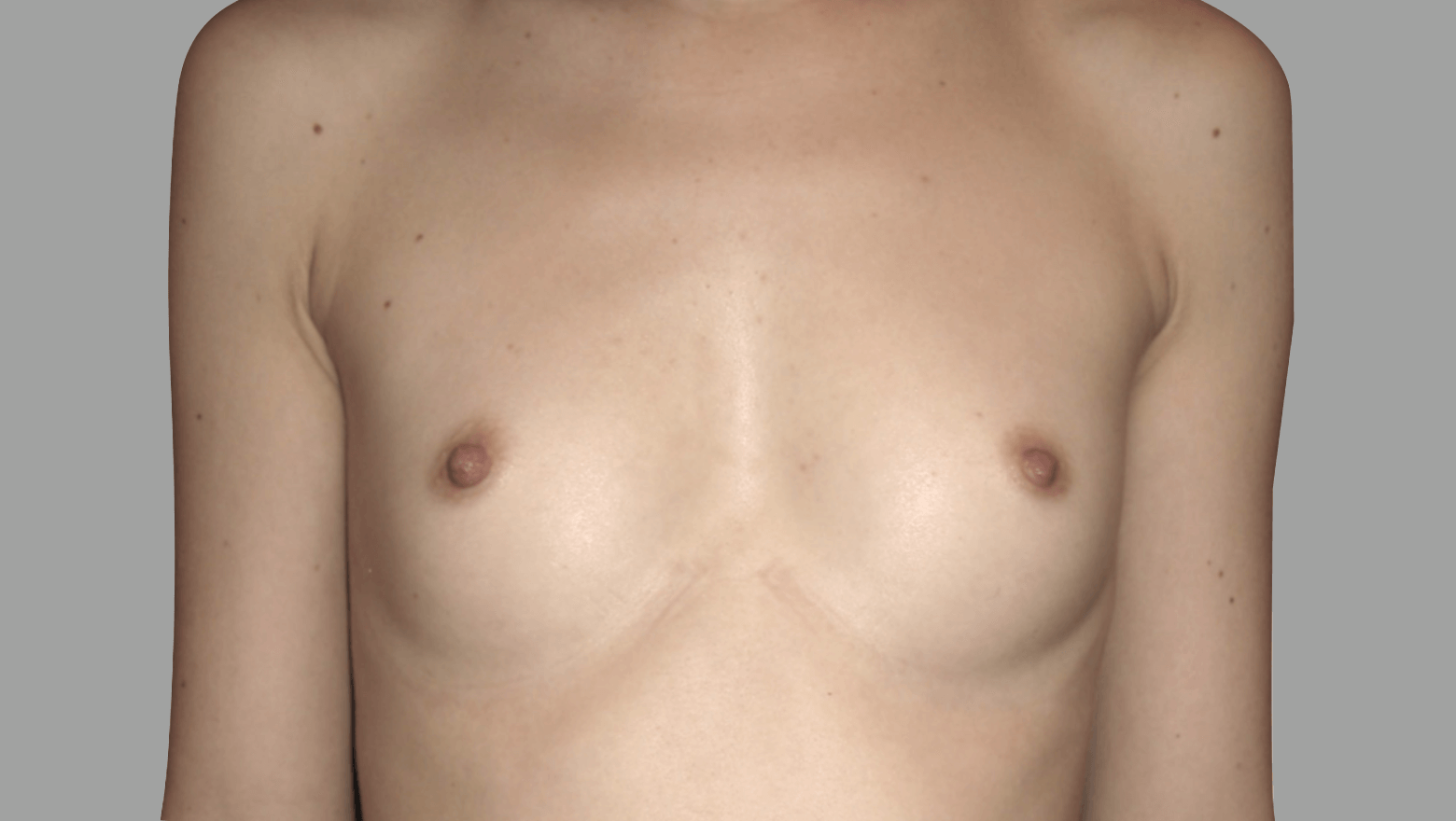
It’s important to realise that breast augmentation is actually a full operation. It’s requires a general anaesthetic, it involves incisions through the skin, creation of pockets for the implant, and all of these come with their own set of potential risks and complications. There are risks of just general anaesthetic as well, which relate to any operation, and those are: you can get a chest infection, you can get clots on the legs just from lying motionless on a operating table for two to three hours. Those are the two main issues that one is always very conscious of. We take all the steps as usual to minimise those risks and, so we stop the contraceptive pill, we keep the operation as short as possible, we tend to use special devices to compress the calves to keep the blood circulating in the legs during the operation, and all of those keep these risks to a minimum. With respect to the surgery itself, there are specific complications to breast augmentation. So, you can get bleeding into the breast after the surgery and what that can mean is that when the patient is back to the ward after their operation, they’re very happy and everything’s good, but in the hours after surgery there’s bleeding into the breast which then swells up, it becomes painful, and when we go around to see the patient after surgery we realise one breast is twice the size of the other, and we know why that’s happened because there’s been some bleeding. That usually requires taking the patient back to the operating theatre, putting them back to sleep, opening the breast up, taking the implant out, stopping the bleeding, removing the congealed blood and putting the implant back in. It doesn’t effect the end result, it’s a nuisance at the time and, obviously, it’s an inconvenience for the patient to have a second anaesthetic, but there are no long-term consequences of that.
The next issue that can happen from the augmentation itself is that there is a risk of implant infection, and that’s the main reason why we don’t like to do the operation when the patient has a on-going infection. If the implant becomes infected, the breast can become swollen and that would usually happen two to three weeks after surgery. The breast becomes swollen and red, the patient becomes unwell and that’s the sign of an infected implant. If we think that that’s the case, the treatment is to take the implant out, wash out the breast and stitch the patient up. We can’t put the implant back in. That’s a nightmare for the patient, because then that means the patient has to spend three months with one big breast and one breast without an implant. We then come back three months later, when the infection is completely resolved and put the implant back in. That’s very uncommon: probably less than one in a hundred patients that that would happen to. So relatively minor complication, but a real nightmare for the patient when it happens.


